
Voice 1
Welcome to Spotlight. I’m Gillian Woodward.
Voice 2
And I’m Rob Quiring. Spotlight uses a special English method of broadcasting. It is easier for people to understand, no matter where in the world they live.
Click here to follow along with this program on YouTube.
Voice 1
In March of twenty nineteen, scientists found a dying whale in the Davao Gulf, in the Philippines. The large sea creature was thin and bleeding. When it died, experts opened its stomach. They found thirty-six kilograms, or eighty-eight pounds, of plastic. The animal had eaten so much that it could not eat real food. It starved, though its stomach was full.
Voice 2
Plastic waste is everywhere on earth. It is in the oceans, in the cities, and in some of the most remote areas in the world. Experts have found microplastics, pieces of plastic less than five millimeters long, on the tallest mountains on Earth. Japanese scientists once examined water in the clouds above Mount Fuji. Their findings suggest that there is plastic in the air we breathe. Microplastics are probably in all of us. We eat and drink them, just like the whale that died in the Davao Gulf.
Voice 1
None of us eat plastic bags. But the microplastics that we do take in are of growing concern to experts. We do not yet know how much, or how little, these small pollutants will change our lives. But doctors are already coming to understand their negative influence on our health. Today’s Spotlight discusses the plastic problem.
Voice 2
Plastic is a new substance on earth. Alexander Parkes was a British inventor. He created the first man-made plastic in 1862, less than two centuries ago. Today, industries use plastic in almost everything. It helped create modern medicine and computer technology. Ian Jamie is a manager at Staeger Clear Packaging, a company in the United Kingdom. He told the British Broadcasting Corporation:
Voice 3
“Plastic is an amazing substance, an amazing invention. It is lightweight. It is strong. You can see through it.”
Voice 1
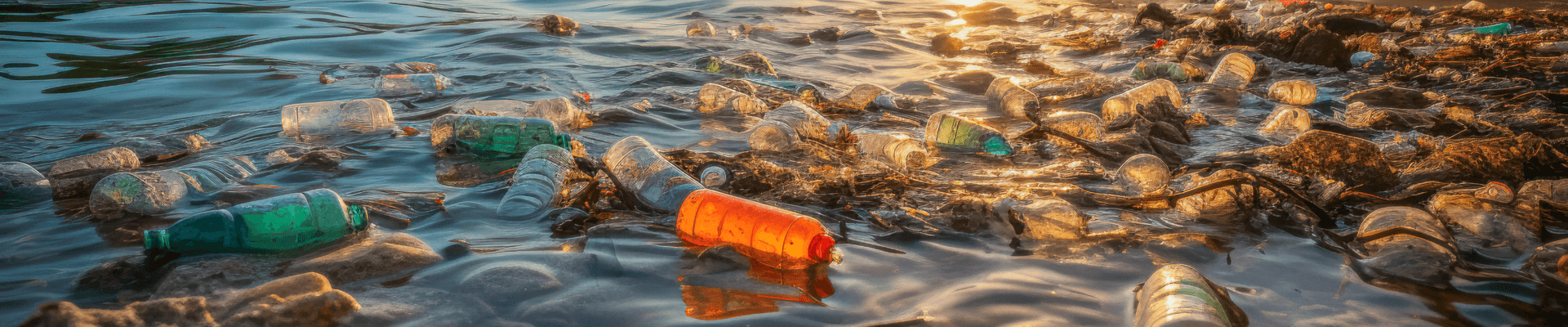
But plastic’s success is also part of the problem. The world creates about 450,000,000 tons of plastic every year. Most people do not recycle their plastic or save it for other uses. 1,000,000 – 2,000,000 tons of plastic enter the ocean every year. Much more goes to landfills, large mountains of waste far away from where humans live. Most other materials decay over time, but not plastic. It just breaks down into smaller parts. A plastic bottle will take four hundred and fifty years to decay. A plastic toothbrush may take over five hundred.
Voice 2
Even when plastic disappears, it is not fully gone. Most plastics just turn into smaller microplastics. Experts have found microplastics all over the earth. But they have also found them in our bodies. Experts have found microplastics in different organs, like the liver, kidneys, and the brain. Scientists in China even found microplastics inside human bones.
Voice 1
The amount of microplastics in human bodies is also increasing over time. Microplastics in the brain are particularly concerning. Experts say that patients who die from brain diseases seem to have more microplastics in their brains than others. Experts do not know if microplastics cause diseases of the mind, but most are concerned. Matthew Campen studies poisons at the University of New Mexico. He told Smithsonian Magazine:
Voice 4
“I have yet to find a single human being who says, ‘There is a lot of plastic in my brain. I am totally fine with that.’”
Voice 2
Plastics are not usually harmful to people outside of the body. But experts still do not know what plastic does inside the human body. Many plastics are made from dangerous chemicals. Some are like chemicals found in motor oil. These chemicals may leak from plastics in some environments. Many are poisonous to humans. A small amount of chemicals may add up, harming people.
Voice 1
One area where experts can show a health connection to microplastics is heart disease. People who have heart disease often have blocked arteries, which bring blood to different parts of the body. Substances can be built in these arteries over time. These cause inflammation, making the arteries shrink even more. Microplastics seem to cause both inflammation and blockage in arteries.
Voice 2
Microplastics may also hurt other areas of the body. Over time, layers of these materials may block an organ from working correctly. They may cause cancer and other diseases. But microplastics may also be dangerous for another reason. Fay Couceiro is a teacher of environmental science at the University of Portsmouth. She told the BBC:
Voice 5
“Microplastics are not going to immediately cause harm. But it is more likely that they are going to damage your cells. They will create a problem with your overall wellbeing. This makes you more likely to get illnesses.”
Voice 1
The problem with microplastics may seem overwhelming. There is already so much plastic in the environment. It is difficult to avoid. There are microplastics in even the cleanest places in the world. How can you avoid them?
Voice 2
Sadly, there is no good answer to this question. Microplastics have been in our bodies longer than we know. Experts think that most of us have enough plastic in our brains to equal the amount in a plastic spoon. We do not know what this will do. It will be a problem many of us will have to face in the future.
Voice 1
However, there are ways that you can reduce the number of microplastics in your environment. One of the best ways is to use less plastic yourself. Eating and drinking from plastic containers means more microplastics in your body.
Voice 2
Eating less meat may also reduce your exposure to microplastics. Animals eat microplastics just like humans do. Animals get them from the plants and animals they eat. Vegetables, fruits, and grains do not contain as many.
Voice 1
Reducing the amount of plastic you use is another way of reducing microplastics. This may not affect you directly, but it will reduce the overall level of microplastics in the environment. Efforts like recycling and reusing plastic also reduce the need for new plastic.
Voice 2
Finally, you can talk to your government about the plastic problem. These issues affect people everywhere on earth. Speaking up may encourage governments to reduce the amount of plastic in the environment.
Voice 1
Today, microplastics are unavoidable. All we can do is reduce our exposure and reduce plastic in the environment. While these issues may seem impossible to deal with, they are not. Together, we can make our world a better one for every person.
Voice 2
Do you fear microplastics? Do you think this kind of fear is helpful? How would you deal with the plastic problem? You can leave a comment on our website at www.spotlightenglish.com. You can also find us on YouTube, Facebook, TikTok, Instagram, and X. You can also get Spotlight episodes delivered directly to your Android or Apple device through our free official Spotlight English app.
Voice 1
The writer of this program was Dan Christmann. The producer was Michio Ozaki. All quotes were adapted for this episode and voiced by Spotlight. No AI or artificial intelligence was used in this episode. Spotlight episodes are written, voiced, and produced by real people for real people, no matter where in the world they live. This episode is called, “The Plastic Problem.”
Voice 2
We hope you can join us again for the next Spotlight episode. Goodbye.
Questions:
Do you fear microplastics? Do you think this kind of fear is helpful? How would you deal with the plastic problem?






Really Is a terrible problem.
I Will reduce the comsuption of it.
Thanck you spotlight team for this information and my English to be better
You are very welcome!